
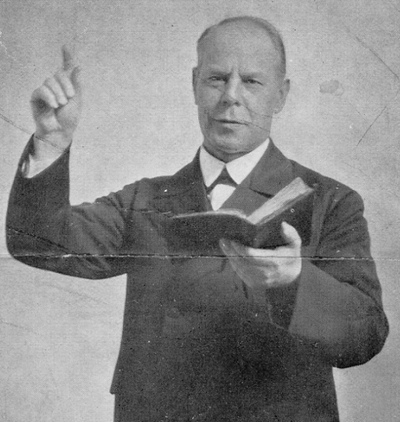
Smith Wigglesworth
Smith Wigglesworth was an evangelist and faith healer from Yorkshire, England, that was very influential in the Pentecostal movement. From 1924 to 1929, Wigglesworth toured the United States, ministering under the auspices of the Assemblies of God[1] sect that F. F. Bosworth helped promote and establish. In some of those revival meetings, Wigglesworth toured with Bosworth.[2]
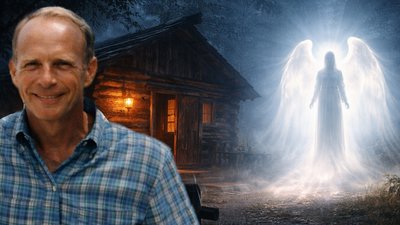
Donny Branham and the Indiana Records That Undo the Log Cabin Myth
Donny Branham appears repeatedly in William Branham’s sermons as a close family witness, reinforcing the emotional credibility of supernatural claims tied to Branham’s ministry persona. Yet census records and documented residency in Indiana place Donny within a stable urban household, creating a direct conflict with later log-cabin origin stories and exposing how family members were repurposed to support a constructed narrative.
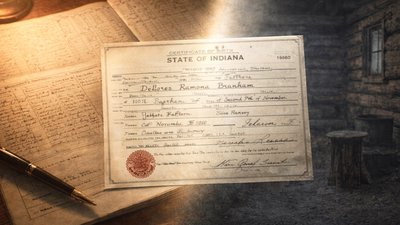
Deloris Branham: The Sister Who Breaks the Kentucky Childhood Myth
Deloris Branham Filer’s documented birth, residence, and adult life in Indiana directly contradict William Branham’s repeated claims of a unified Kentucky mountain childhood shared by all his siblings. Census records, vital certificates, and marriage documents establish a fixed historical timeline that exposes the Kentucky cabin narrative as a constructed stage persona rather than a lived reality.
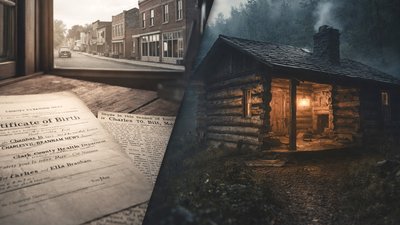
Charles Branham, Jr: History That Rewrites Branham's Life Story
Charles Branham Jr.’s documented birth, life, and death in Clark County, Indiana directly contradict William Branham’s later claims of a prolonged Kentucky log-cabin upbringing and a delayed encounter with Pentecostalism. Contemporary records show the Branham family firmly rooted in Indiana during the very years later recast as frontier hardship, revealing how Branham’s origin story evolved into a constructed stage persona rather than a sustained lived reality.
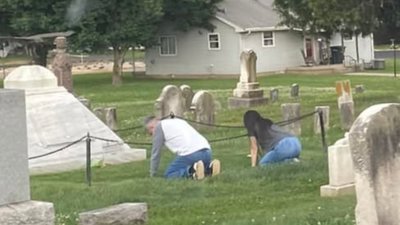
Branhamism Explained: Theology, Authority, and the Cult of the Messenger
Branhamism refers to the network of movements shaped by William Branham’s late-stage teachings, emphasizing exclusive revelation, distinctive doctrines such as Serpent’s Seed, and the identification of the “Message” with the messenger himself. Because Branham’s theology shifted over time and was selectively preserved by competing sects, scholars continue to describe the system as internally inconsistent and difficult to define.
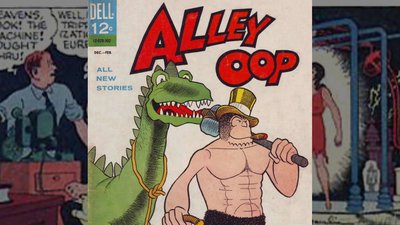
Alley Oop: When Comics Become Demons
William Branham’s accounts of angelic and demonic visitations were central to his self-presentation, even though their details shifted across different versions of his ministry persona. In one striking example, he described a demonic figure that resembled the cartoon character Alley Oop, revealing the extent to which his visionary claims blended religious motifs with elements of popular culture.
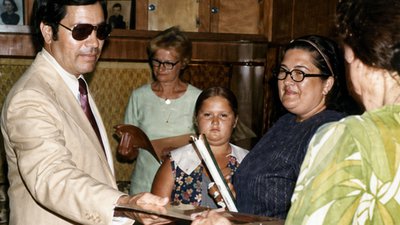
Jim Jones' Prophecy About William Branham
Jim Jones's break with William Branham appears to have followed his brief period as a Branham-aligned "Message" and Latter Rain leader in 1956-1957, when Jones worked with Branham and Joseph Mattsson-Boze before later claiming that Branham privately admitted disbelief in the Bible, pressured him to avoid unpopular doctrines, and warned him against preaching the truth; in Jones's later retelling, the rupture centered on Branham's developing Third Pull, Manifested Sons of God, and reincarnation-like Elijah theology, which Jones rejected while placing a curse on Branham's death, showing how Peoples Temple both emerged from Branham's healing revival network and then split from it while retaining dangerous strands of apocalyptic, prophetic, and authoritarian theology.
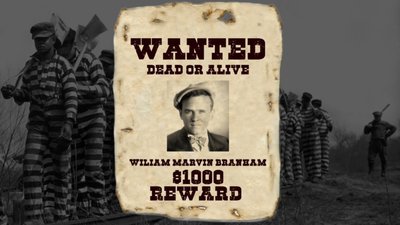
Change of Identity or Stage Persona? What the Records Show About William Branham
Contemporary newspapers, court records, census data, and federal draft registration demonstrate that William Branham’s identity remained stable and publicly traceable through the Prohibition era and into adulthood, despite significant criminal activity and instability within his family. Later name variations—most notably the use of “Henry Branham” and the shift from Marvin to Marrion—align with the construction of a revival-stage persona rather than an attempt to evade law enforcement or conceal his past.

Editing the Prophetic: How William Branham Controlled the Record
William Branham made deliberate use of lighting, recording controls, and post-production edits to maintain different versions of his public persona. Paused tapes, spliced recordings, and revised prophecies reveal a managed narrative that complicates claims of spontaneous or supernatural authority.

Stage Persona
William Branham used multiple versions of a stage persona during his public ministry, and each version included variations depending upon which audience or location he was currently speaking to. Many doctrinal positions held by one particular stage persona, such as the Trinity, were opposing viewpoints held by his other stage personas and their alleged denomination of faith. Branham is largely remembered as a strict "Jesus Only" Oneness Pentecostal preacher,[1] but in some versions of his stage persona, Branham accepted the Persons of the Trinity.[2]
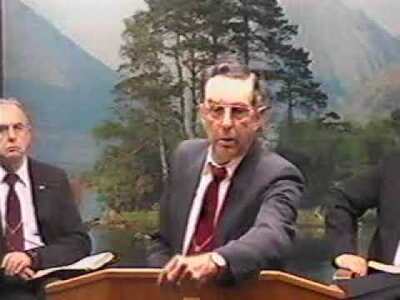
Raymond "Junior" Jackson's Dream
William Branham key individuals to lift the status of his stage persona from that of a humble evangelist to a supreme authority on doctrine and scripture. These for decades, these individuals have affirmed that the things Branham said about them were true, and stand united as "witnesses" to Branham's supernatural abilities. These people were frequently used for confirmations to the things William Branham said about himself or the events that he experienced. Certain individuals, however, were used as "supernatural witnesses" — people who were also given supernatural "gifts" to confirm Branham's doctrine and authority. One such individual was Raymond (Junior) Jackson.
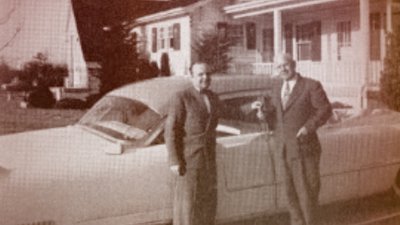
William Branham’s Cadillac: The Myth of Poverty Versus Documented Wealth
William Branham carefully cultivated the image of a poor, self-denying evangelist who rejected wealth and luxury, including public claims that he would never accept a Cadillac. Contemporary documentation and organizational publications, however, show that Branham accumulated significant personal wealth and did in fact accept a Cadillac, exposing a clear contradiction between his rhetoric and his lived reality.
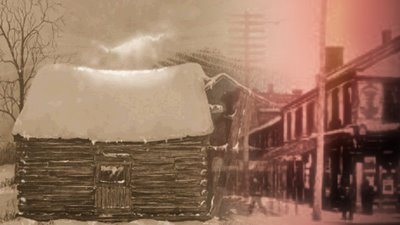
Cabin Tales: William Branham’s Log Cabin Story vs. the Census Record
William Branham frequently claimed he was raised in a primitive Kentucky log cabin, presenting this narrative as foundational to his spiritual authority and calling. Census records from 1910 through 1940, however, reveal a more complex and less dramatic upbringing, highlighting how Branham’s life story was reshaped to appeal to healing revival audiences.
No records found.